

Tired of promoting products that don’t sell? Learn exactly which products to advertise, how to create a new product advertisement that converts, and how to automate the product advertisement process.
Looking for the best products to advertise as a solopreneur? Wealthy Creative breaks down high-margin categories, affiliate picks, and a simple 3-step ad framework you can launch today.
This is the only guide to products to advertise you’ll ever need. Covers digital products, physical products, and affiliate products—plus the ad systems that run on autopilot.
The Complete Guide to Choosing the Best Products to Advertise (And Actually Profit From Them!)
I’ve tested dozens of product categories across blogs, email lists, and social media. The products to advertise that consistently win share three specific traits—and I’m laying them out in this guide.
If you’re an overwhelmed creator who’s tired of guessing what to promote, this guide on products to advertise is your shortcut to a profitable, automated content business.
From digital downloads to SaaS tools to physical products—not all products to advertise are created equal. This guide shows you exactly where to focus your energy for maximum return.
Key Takeaways (TL;DR): Best Products to Advertise
- Key Takeaway 1: Not all products are worth advertising—the best products to advertise share three traits: high margin, strong demand, and clear audience fit.
- Key Takeaway 2: Digital products (courses, templates, software) offer the highest profit margins and the easiest automation potential for solo creators.
- Key Takeaway 3: A new product advertisement performs best when it solves a specific, urgent problem for a well-defined audience—not when it simply “looks good.”
- Key Takeaway 4: Affiliate products are the fastest way to start advertising without creating your own product—choose programs with recurring commissions for compounding income.
- Key Takeaway 5: The best ad system for solopreneurs is simple: one traffic source, one product, one funnel. Complexity kills conversions.
- Key Takeaway 6: Before spending a dollar on ads, validate your product with organic content. Let the data tell you what to scale.
- Key Takeaway 7: Automation tools like email sequences, landing page builders, and scheduling software let you run effective ad campaigns without being glued to your screen.
The Problem With Most Advertising Advice
You’ve read the “10 ways to grow your business” posts. You’ve watched the YouTube videos. And yet, you’re still not sure which products to advertise—or how to do it without wasting your weekend and your wallet.
The problem isn’t your work ethic. The problem is that most advertising advice is written for marketing teams with six-figure budgets, not for solo creators working from a laptop with a handful of hours per week.
This guide is different. I’m going to hand you the actual blueprint—the one I use and teach at WealthyCreative.com—for identifying, selecting, and advertising products that generate automated income. No theory. Just the system.
What Makes a Product Worth Advertising?
Before we get into specific categories, let’s talk about the filter I use. Every product to advertise must pass this three-part test:
1. The Margin Test
Can you make at least $20–$50+ per conversion? Low-margin products require enormous volume to move the needle. Focus on products where a single sale pays back your ad cost and then some.
2. The Demand Test
Are people already searching for this? Use tools like Google Trends, Amazon Best Sellers, or Semrush to verify that the market exists. You’re not trying to create demand—you’re meeting it.
3. The Alignment Test
Does this product genuinely help your audience? Promoting something irrelevant to your audience destroys trust and tanks your conversions. Every new product advert you run should feel like a recommendation from a trusted friend, not a cold sales pitch.
If a product fails any of these three tests, skip it.
7 Best Categories of Products to Advertise Now!
Here’s where the real money is. These categories have been validated across creator businesses generating anywhere from $3,000 to $300,000 per month.
1. Digital Products (Highest Margin, Fully Automatable)
Digital products are the holy grail of solopreneur advertising. No inventory. No shipping. No ceiling on volume. Once created, they sell forever.
Best digital products to advertise:
- Online courses and workshops
- Notion or Airtable templates
- Canva design kits
- Spreadsheet systems and calculators
- E-books and PDF guides
- Stock photo or video packs
- Preset packs for photographers and video editors
- Swipe files and copywriting templates
Why they win: Margins run 80–95%. Your cost of goods is essentially zero after production. A single email campaign or a pinned social post can drive sales for months.
The automation angle: Pair a digital product with an evergreen email funnel. Drive traffic → capture email → automated sequence → sale. This is the Wealthy Creative model in its simplest form.
2. SaaS and Software Tools (The Recurring Commission Machine)
Advertising software tools as an affiliate is one of the most underrated income strategies for creators. Many SaaS companies pay 30–40% recurring commissions. That means every month your referred customer stays subscribed, you get paid.
Best SaaS products to advertise (affiliate):
- Email marketing platforms (ConvertKit, Beehiiv, ActiveCampaign)
- Design tools (Canva Pro, Adobe Creative Cloud)
- Project management tools (Notion, ClickUp)
- AI writing assistants (Jasper, Copy.ai)
- Landing page builders (Leadpages, Carrd, Kajabi)
- SEO tools (Surfer SEO, Ahrefs, Semrush)
- Social scheduling tools (Buffer, Later, Publer)
Why they win: Recurring revenue compounds. One great piece of content promoting a SaaS tool can generate monthly income for years.
Pro tip: Write comparison posts (“Tool A vs. Tool B”) and tutorial content (“How to use [Tool] to do [X]”). These rank well organically and convert readers into buyers without a single dollar in ad spend.
3. Physical Products via Amazon Associates or Brand Deals
Physical products have lower margins than digital, but they’re familiar to buyers and convert well—especially in lifestyle, home, and tech niches.
Best physical product categories to advertise:
- Home office and productivity gear
- Creator tech (microphones, cameras, ring lights)
- Fitness and wellness equipment
- Kitchen and food products (huge on social)
- Books (non-fiction, business, self-help)
- Planners, journals, and stationery
Why they win: Amazon’s trust factor removes buyer friction. Viewers and readers are already conditioned to click Amazon links. Even a modest audience can generate solid affiliate income.
The play: Create “best of” roundups, YouTube gear videos, or Instagram shoppable posts. Use trackable affiliate links to measure what converts and double down.
4. Online Courses and Education Products
If you’re in a knowledge-based niche, advertising courses—whether your own or as an affiliate—is one of the fastest paths to significant income.
What to look for in a course to promote:
- High ratings and genuine student results
- Clear outcomes (not vague “transformation” promises)
- A reputable creator with an active audience
- Commission rates of 30–50%
- A strong sales page that doesn’t need your help to convert
Platforms to find affiliate courses:
- Teachable
- Kajabi partner programs
- ClickBank (filter for high gravity, low refund rates)
- Podia
- Direct creator affiliate programs
Creating your own course to advertise: If you have expertise, your own course is always the highest-margin option. The new product advertisement strategy for a course launch typically includes: a waitlist campaign → a free lead magnet → a launch email sequence → evergreen funnel post-launch.
5. Subscription Boxes and Membership Products
Subscription products are advertiser gold because the lifetime value of a customer is dramatically higher than a one-time buyer. Brands in this space often pay excellent affiliate commissions because they know a referred customer will stay for 6–12+ months.
Popular subscription niches:
- Book subscription boxes
- Specialty food and coffee subscriptions
- Creator tool bundles and memberships
- Business coaching memberships
- Niche hobby kits (crafting, cooking, fitness)
Why they work for creators: You can promote them authentically by actually subscribing yourself and documenting your experience. This unboxing or “what’s in my box” format performs exceptionally well on short-form video platforms.
6. Financial and Investment Products (High Commission, High Responsibility)
Finance products often carry the highest affiliate commissions in the industry—sometimes $50–$200+ per lead. These include budgeting apps, investing platforms, business bank accounts, and credit cards.
Examples of financial products to advertise:
- Budgeting tools (YNAB, Monarch Money)
- Business checking accounts (Relay, Mercury)
- Investing apps (Acorns, Public, M1 Finance)
- Tax software (TurboTax, FreshBooks)
- Credit monitoring services
Important: Financial products require trust. Only promote products you actually use or have thoroughly vetted. Your audience’s financial wellbeing is not worth a commission check.
7. Freelance and Business Services (Your Referral Network)
This category is often overlooked but can be extremely profitable—especially if you have a business-focused audience. Advertising services like legal tools, accounting platforms, or hiring marketplaces can generate significant referral income.
Services worth advertising:
- Contract and legal tools (Honeybook, Bonsai)
- Freelance marketplaces (Fiverr Business, Toptal)
- Accounting software (QuickBooks, Wave)
- Business formation services (Doola, Northwest)
- HR and payroll tools (Gusto, Deel)
How to Build a New Product Advertisement That Converts
Here’s the simple framework I use every time I need to create a new product advertisement—whether it’s a blog post, email, or social ad.
The P.A.S.S. Method
P — Problem: Open with the specific pain point your audience is experiencing. Be precise.
A — Agitate: Briefly paint the picture of what happens if this problem goes unsolved. Not doom and gloom—just reality.
S — Solution: Introduce the product as the specific answer. Not a general category of product. The specific one.
S — Social Proof + CTA: Back it up with a result, review, or data point. Then make one clear ask.
Example for a new product advert for a project management tool:
“If you’re losing track of client deadlines in a messy inbox, here’s your fix. [Tool Name] is the one dashboard I use to manage every project, deadline, and deliverable—without a single sticky note. My clients noticed the difference in week one. Try it free here → [link]”
Short. Specific. Backed by personal experience. One ask. That’s a new product advertisement that works.
The Automated Advertising System for Solo Creators
Here’s the system I recommend to every creator who wants to advertise products without being online 24/7.
Step 1: Choose One Product Category
Pick ONE of the seven categories above based on your niche and audience. Don’t diversify yet. Master one first.
Step 2: Create a Lead Magnet Around the Product’s Core Problem
Build a free resource (checklist, template, mini-course) that solves the problem your product addresses. This builds your email list with people who are pre-qualified buyers.
Step 3: Build a 5-Email Welcome Sequence
Email 1: Deliver the lead magnet + introduce yourself Email 2: Share your story + the problem you both faced Email 3: Introduce the product + share how it helped you Email 4: Handle objections + share social proof Email 5: Final pitch + urgency or bonus
Step 4: Drive Traffic with One Organic Channel
Choose ONE platform: Pinterest, YouTube, SEO blog posts, or LinkedIn. Publish consistently for 60–90 days. This feeds your email list on autopilot.
Step 5: Reinvest and Scale with Paid Ads
Once your organic funnel is converting, use a small paid budget ($5–$20/day) to amplify what’s already working. You now have a tested, validated product ad—you’re just turning up the volume.
Tools You Need (And Nothing More)
Here’s my lean stack for advertising products as a solo creator:
- Email platform: ConvertKit or Beehiw (simple, powerful, creator-focused)
- Landing page: Carrd or Leadpages (build it in an afternoon)
- Link tracking: Pretty Links or Geniuslink (know exactly what’s converting)
- Content scheduling: Buffer or Publer (set it and forget it)
- Analytics: Google Analytics + native platform insights
That’s it. Five tools. This stack runs entire affiliate businesses generating $10,000+/month.
What to Avoid When Choosing Products to Advertise
Just as important as knowing what to promote is knowing what to skip.
Skip these product types:
- MLM/network marketing products — The business model, not the product, is the trap. Your audience will smell it.
- Products with refund rates above 15% — High refunds signal poor product quality. It will reflect on you.
- One-size-fits-all products — Products with no clear niche convert terribly. Specificity sells.
- Products you haven’t used yourself — Your credibility is your greatest asset. Don’t rent it out cheap.
- Low-commission physical products with high buy-in — Spending $50 in ads to earn a $2 Amazon commission is a losing game.
Measuring What’s Working
Every new product advertisement you run should be tracked. Here’s my simple tracking checklist:
- [ ] Unique affiliate/tracking link for each ad placement
- [ ] Weekly check of click-through rates (CTR) and conversions
- [ ] A/B test one element at a time (headline, CTA, image)
- [ ] Monthly audit: cut the bottom 20% of performers
- [ ] Reinvest ad budget into the top 20% of performers
The goal is a self-improving system—not a guessing game.
Frequently Asked Questions (FAQ) related to Best Products to Advertise
What are the best products to advertise for beginners?
For beginners, the best products to advertise are digital affiliate products and SaaS tools. Why? Because you don’t need to create anything, handle customer service, or manage inventory. You simply refer buyers using a trackable link. Platforms like ShareASale, Impact, PartnerStack, and individual brand affiliate programs make it easy to get started. Focus on products in your niche that you’ve personally used or thoroughly researched. Start with one product, create content around it, and build from there before expanding your portfolio.
How do I know if a product is worth advertising?
Use the three-part test outlined in this guide: margin (can you earn $20+ per conversion?), demand (are people searching for it?), and alignment (does it genuinely serve your audience?). Beyond that, check the product’s reviews, refund rates, and the quality of the seller’s existing marketing materials. If the product has a strong track record and a well-built sales page, your job as an advertiser becomes significantly easier.
What is a new product advertisement?
A new product advertisement is any piece of promotional content—a blog post, email, social post, YouTube video, or paid ad—that introduces a product to an audience for the first time. The key word is “new” in the context of your audience. Even if the product has existed for years, it’s a new product advertisement the first time your specific audience encounters it through your content. The best new product adverts follow a clear structure: problem → solution → proof → call to action.
How much money can I make advertising products?
Income varies enormously based on audience size, niche, product margin, and conversion rate. That said, many solo creators generate $1,000–$10,000/month advertising affiliate products to relatively small audiences (under 10,000 followers or subscribers). The key multiplier is recurring commissions from SaaS tools, which compound over time. A creator with 2,000 engaged email subscribers promoting a SaaS tool with 30% recurring commissions can realistically earn $2,000–$5,000/month from a single product if their funnel converts well.
Do I need a large audience to advertise products effectively?
No. Audience quality matters far more than size. A highly engaged list of 500 subscribers in a specific niche will out-convert a general list of 50,000 passive followers. The creators who earn the most from advertising products are those who’ve built trust with a targeted, specific audience—not necessarily the ones with the most followers. Focus on depth of relationship before breadth of reach.
What’s the difference between advertising your own product vs. an affiliate product?
Advertising your own product means you keep 100% of the revenue, have full control over the offer and pricing, and build a brand asset that compounds over time. The downside is the upfront investment in creation and the learning curve of building a sales funnel. Advertising affiliate products requires no creation—you simply promote and earn a commission. The trade-off is that you share revenue with the product owner and have no control over the product itself. The best strategy for most solo creators is to start with affiliate products, use the income to fund creation of your own product, then advertise both.
What platforms are best for running product ads?
For paid advertising, the best platforms for solo creators are Meta (Facebook/Instagram) for visual products and broad consumer markets, Pinterest for DIY, home, food, and creative niches, Google Search Ads for high-intent buyers searching specific product terms, and YouTube pre-roll for educational or software products. For organic advertising (free), YouTube, SEO-optimized blog posts, and Pinterest are the most powerful long-term channels because content continues driving traffic years after publication.
How do I write a new product advert that doesn’t sound pushy?
The secret is to write from experience, not from a script. Share your personal story with the product. What problem were you facing? How did this product help? What specific result did you get? Ads that read like genuine recommendations outperform polished sales copy almost every time. Also, make one specific ask—not three. “Click here to try it free” is more effective than “Follow us, share this, and buy now.” Specificity and sincerity convert.
Should I focus on one product or advertise multiple products at once?
Start with one product. Master the funnel. Understand what converts and why. Then layer in additional products once your first is running profitably and mostly on autopilot. Creators who try to advertise five products simultaneously usually end up with five mediocre campaigns instead of one exceptional one. The K.I.S.S. principle applies here: one product, one funnel, one traffic source. Scale before you diversify.
What is the best way to advertise a new product on social media?
The most effective social media strategy for advertising a new product is the “teach → mention → convert” framework. First, create valuable educational content around the problem your product solves. Mention the product naturally within that content rather than leading with the pitch. Then, include a clear CTA with your affiliate or product link. On platforms like TikTok and Instagram Reels, product demonstrations and honest reviews perform best. On LinkedIn, case studies and data-backed posts outperform generic promotions. The rule of thumb: 80% value content, 20% promotional content.
Are there legal requirements for advertising affiliate products?
Yes. In the United States, the FTC (Federal Trade Commission) requires that all affiliate and sponsored content be clearly disclosed. You must tell your audience when you earn a commission from a product recommendation. This applies to blog posts, social media, email, and video content. The disclosure must be clear, conspicuous, and placed near the promotion—not buried in a footer or fine print. Phrases like “This post contains affiliate links, which means I earn a commission at no extra cost to you” are standard. Most countries have similar regulations. Always disclose. It’s the law, and it also builds trust.
What is product-market fit and why does it matter for advertising?
Product-market fit means the product you’re advertising genuinely solves a real, urgent problem for the audience you’re reaching. When product-market fit is strong, advertising becomes much easier because the product sells itself—you’re just making the introduction. When product-market fit is weak, no amount of clever ad copy or increased budget will fix it. Before investing in advertising, validate that your target audience actually wants the product you’re promoting. The fastest way to do this is by mentioning it organically to your audience and seeing whether they ask questions, click links, or engage. If interest is low organically, paid ads won’t save it.
How do I find high-paying affiliate products to advertise?
The best sources for high-commission affiliate products include PartnerStack (SaaS tools), ShareASale (broad categories including home, tech, and education), Impact.com (major brands), ClickBank (digital products and courses), and direct brand affiliate programs you can find by Googling “[brand name] affiliate program.” Filter your search for programs that offer recurring commissions, cookie windows of 30+ days, and commission rates of at least 20–30%. Avoid programs with poor tracking, delayed payments, or minimum payout thresholds that are difficult to reach.
What is a conversion rate and what’s considered “good” for product ads?
A conversion rate is the percentage of people who take your desired action (usually a purchase or click-through) out of everyone who sees your ad or content. For email campaigns promoting affiliate products, a click-through rate of 1–3% is average, and a conversion rate of 1–5% on the product’s sales page is typical. For landing pages, conversion rates of 10–30% are considered good depending on the ask. For paid social ads, a conversion rate of 1–3% on cold traffic is solid. These numbers vary significantly by niche, product type, and audience quality. Track your own benchmarks and optimize from there.
Can I advertise products on a blog without social media?
Absolutely. Many creators build highly profitable product advertising businesses entirely through SEO-driven blog content with no social media presence. The strategy: create in-depth blog posts that rank for high-intent keywords (e.g., “best [tool] for [specific use case],” “ review,” “
-
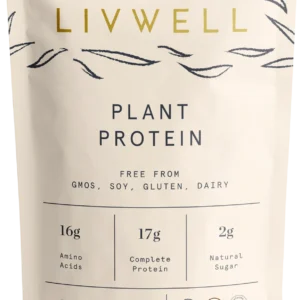 Fitness & Nutrition
Vanilla Bean Protein Powder: Plant-Based, Vegan, Gluten-Free – LivWell Nutrition
$29.00 Shop LivWell
-
Fitness & Nutrition
Vanilla Bean Protein Powder: Plant-Based, Vegan, Gluten-Free – LivWell Nutrition
$29.00 Shop LivWell
What are the most profitable niches for advertising products?
Historically, the most profitable niches for product advertising are finance and investing (high commissions, high-intent buyers), software and technology (recurring commissions, large TAM), health and wellness (massive audience, high purchase intent), business and productivity (buyers with budgets), and education and personal development (strong content marketing alignment). That said, profitability depends more on audience quality and product-market fit than niche alone. A highly engaged micro-niche audience (e.g., woodworking for retirees) can outperform a generic “make money online” audience if the product alignment is strong.
How do I track which products and ads are actually generating income?
Use unique tracking links for every placement—different links for your email, blog, Instagram bio, YouTube description, and so on. Tools like Pretty Links (WordPress plugin), Geniuslink, or your affiliate program’s built-in tracking make this easy. Review your analytics weekly and ask: which link generated the most clicks? Which placement produced actual conversions? This data tells you exactly where to focus your energy and ad budget. Without tracking, you’re flying blind. With it, you have a self-optimizing business.
How long does it take to see results from advertising products?
With organic content (blog posts, YouTube videos, social media), expect to see meaningful results in 60–120 days, as algorithms take time to index and surface your content. With paid advertising, you can see results within 24–72 hours but will spend money while you test and optimize. The fastest path to results is combining both: use organic content to validate what converts, then use a small paid budget to amplify your proven winners. Most creators who commit to a system consistently see meaningful income within 3–6 months.
What should I include in a product advertising landing page?
A high-converting product advertising landing page should include a clear, benefit-driven headline (what does the buyer get?), a brief description of the problem being solved, key product features framed as benefits, social proof (testimonials, reviews, number of users), one primary call to action (not three), and any urgency or incentive if applicable (bonus, discount, limited time). Keep the page focused. Remove your site’s main navigation to eliminate distractions. Every element on the page should push the visitor toward a single decision: buy or don’t buy.
What’s the single most important factor in successfully advertising a product?
Trust. Every other variable—ad copy, targeting, platform, budget—matters less than whether your audience trusts your recommendation. Trust is built through consistency (showing up regularly), transparency (honest reviews, FTC disclosures, sharing both pros and cons), expertise (knowing your niche deeply and demonstrating it), and alignment (only promoting products that genuinely serve your audience’s interests). Creators with deep audience trust routinely outperform larger accounts with weak relationships. Build trust first. Revenue follows.
Published by Tyler DeBroux and The Wealthy Creative Team at WealthyCreative.com — Building Profitable Automated Online Businesses for Overwhelmed Creators.
End of Article. Thanks for Reading The Wealthy Creative Business Guides!
View Our Collection of Digital Products for Creatives Playbooks Below & Get Free Instant Access!

Top 500 Highest Selling Digital Products That Actually Make Money!

How to Open Your Own Retail Shop Business (Even With Zero Retail Experience!)

101 Best Digital Products to Sell Right Now (No Inventory, No Headaches)

101 Best Online Course Websites to Learn, Sell, and Scale Your Knowledge!

How to Sell Courses Online and Digital Classes Without Tech Headaches or a Big Team
Digital Products Meaning, Types & How to Launch Your First One This Week!
Transparency Note: This post may contain affiliate links, meaning we earn a small commission if you purchase through them at no extra cost to you. Learn more here: Affiliate Disclosure.